Japan has four distinct seasons, and winter (冬 - fuyu) is one of the most beautiful and unique times of the year. Whether you are traveling to Japan during winter or just want to expand your vocabulary, learning winter-related words and phrases will help you understand the season better. In this article, we will introduce useful winter vocabulary, discuss Japan’s winter weather, explore famous winter spots and explain snow-related challenges.
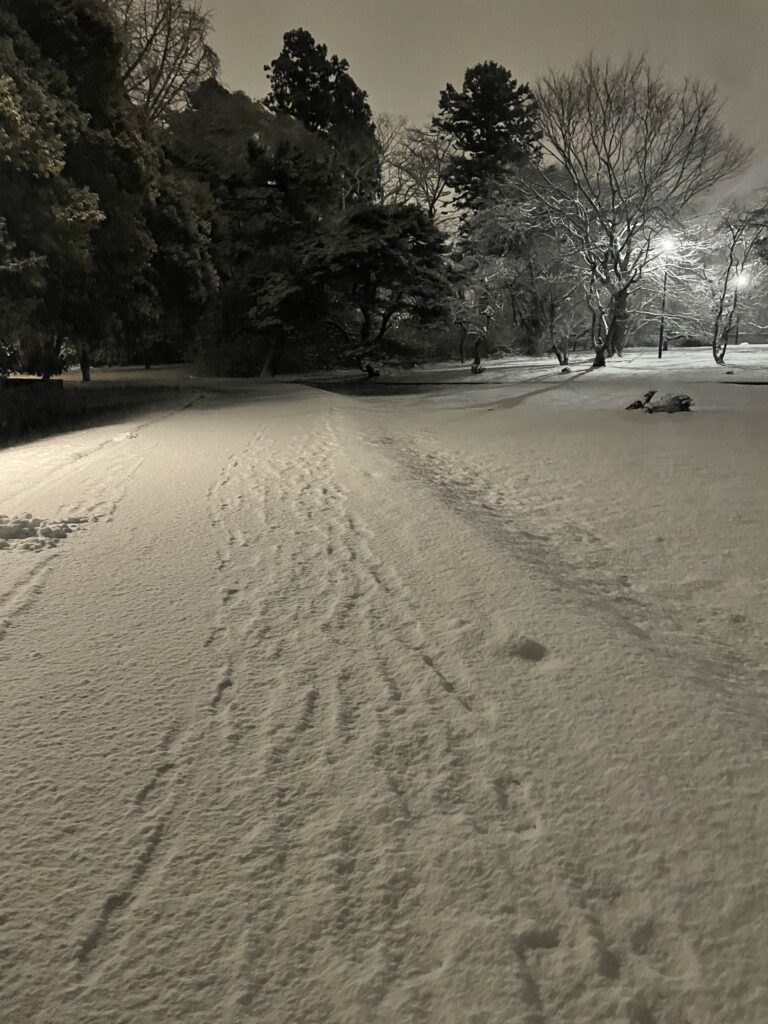
Here is a picture I took on a snow day this year.
Can-do
Talk about seasons and know about winter in Japan
1. Winter Vocabulary (冬のボキャブラリー - Fuyu no bokyaburarī)
Here are some common winter-related words in Japanese:
- 雪 (yuki) – Snow
- みぞれ(mizore)- sleet
- 寒い (samui) – Cold (weather)
- 冷たい(tsumetai)-Cold (object)
- つらら (tsurara) – Icicle
- 北風 (kitakaze) – North wind
- 氷 (kōri) – Ice
- 凍る (kōru) – To freeze
- 雪崩(nadare) - avalanche
- 手袋 (tebukuro) – Gloves
- マフラー (mafuraa) – Scarf
- こたつ (kotatsu) – Heated table
- ストーブ(sutōbu) - Heater
Using these words, you can describe winter experiences in Japan:
🗣 「冬になると、雪が降ります。」
(Fuyu ni naru to, yuki ga furimasu.)
➡ In winter, it snows.
🗣 「今日はとても寒いです。」
(Kyō wa totemo samui desu.)
➡ Today is very cold.
2. Japan’s Winter Weather (日本の冬の天気 - Nihon no fuyu no tenki)
Japan’s winter lasts from December to February, with different regions experiencing various weather patterns:
- Hokkaido (北海道): Very cold with heavy snowfall. Temperatures often drop below -10°C.
- Tohoku (東北) and Hokuriku (北陸): Snowy and cold, with temperatures around -5°C to 5°C.
- Tokyo (東京) and Kansai (関西): Dry winters with little snow. Temperatures range from 0°C to 10°C.
- Kyushu (九州) and Okinawa (沖縄): Milder winters with temperatures around 5°C to 15°C.
One of the unique winter weather features in Japan is the “Yukiguni” (雪国), or “Snow Country,” which refers to areas like Niigata and Nagano that receive heavy snowfall.
3. Famous Winter Spots in Japan (日本の冬の名所 - Nihon no fuyu no meisho)
Japan has many beautiful winter destinations where you can experience snow, festivals, and hot springs. Here are some must-visit winter spots:
- Sapporo Snow Festival (札幌雪まつり) – One of Japan’s most famous winter festivals, featuring stunning ice and snow sculptures in Hokkaido.
- Shirakawa-go (白川郷) – A UNESCO World Heritage site known for its traditional thatched-roof houses covered in snow.
- Jigokudani Monkey Park (地獄谷野猿公苑) – Famous for wild Japanese macaques bathing in hot springs in Nagano.
- Zao Snow Monsters (蔵王の樹氷) – Trees covered in ice and snow, creating a mystical winter landscape in Yamagata.
- Otaru (小樽) – A charming port town with beautiful winter illuminations and a romantic canal scene.
These places offer unique winter experiences that showcase Japan’s seasonal beauty.
4. Snow Hazards and Countermeasures (雪害と対策 - Setsugai to taisaku)
While snow can be beautiful, it also brings various challenges, especially in northern Japan. Here are some common snow-related issues and how people deal with them:
- 雪かき (yukikaki) – Snow shoveling: In snowy regions, residents regularly remove snow from roads and rooftops to prevent accidents and structural damage.
- 融雪装置 (yūsetsu sōchi) – Snow-melting systems: In some areas, heated water pipes are installed under the roads to prevent ice formation.
- スタッドレスタイヤ (sutaddoresu taiya) – Studless winter tires: Used by cars in snowy areas to improve traction and prevent slipping.
- スノーダンプ (sunōdanpu) – Snow dump areas: Designated spots where excess snow is transported and stored to keep streets clear.
- 防寒対策 (bōkan taisaku) – Cold weather precautions: People wear layered clothing, gloves, and scarves to stay warm during the coldest months.
Snow removal is an essential part of life in regions like Hokkaido and Niigata, where snowfall can be several meters deep in winter.
5. Reading Practice
日本の冬は寒いです。北海道ではたくさん雪が降ります。スキーをする人が多いです。東京はあまり雪が降りませんが、風が冷たいです。冬になると、人々はマフラーや手袋を使います。こたつに入って、みかんを食べるのも冬の楽しみです。温泉に入ると、体がとても温かくなります。雪国では、雪かきをすることが必要です。大雪の時は、道が凍るのでスタッドレスタイヤを使います。
➡ Japan’s winter is cold. In Hokkaido, a lot of snow falls. Many people go skiing. In Tokyo, it does not snow much, but the wind is cold. In winter, people use scarves and gloves. Sitting under a kotatsu and eating mandarins is one of the joys of winter. When you enter a hot spring, your body becomes very warm. In snowy regions, snow shoveling is necessary. During heavy snowfall, roads freeze, so studless winter tires are used.
6. Conclusion: Enjoy Winter in Japan!
Now that you have learned winter vocabulary, Japan’s winter weather, famous winter spots, and snow-related countermeasures, try using these words in conversations! If you ever visit Japan in winter, don’t forget to enjoy the snow, warm up with a kotatsu, and experience the beauty of a Japanese winter.
Stay warm and have fun learning Japanese! ❄️☃️
Easy Japanese news related to winter in Japan.
北海道でたくさんの雪 ほかの所も気をつけて
https://www3.nhk.or.jp/news/easy/ne2025020412157/ne2025020412157.html
雪が落ちてきたり崩れたりする 気をつけてください
https://www3.nhk.or.jp/news/easy/ne2025021011548/ne2025021011548.html
福島県の道で雪崩 通れなくなっている
http://www3.nhk.or.jp/news/easy/ne2025021012027/ne2025021012027.html
富山県と長野県の間の山の道 雪の片づけが始まった
https://www3.nhk.or.jp/news/easy/ne2025021212123/ne2025021212123.html