Konnichiwa everyone!
When getting to know someone in Japan, talking about family is a common and friendly topic. Learning how to introduce your own family and ask about someone else's can help you build deeper connections. In this article, we will cover useful phrases and questions related to family in Japanese.
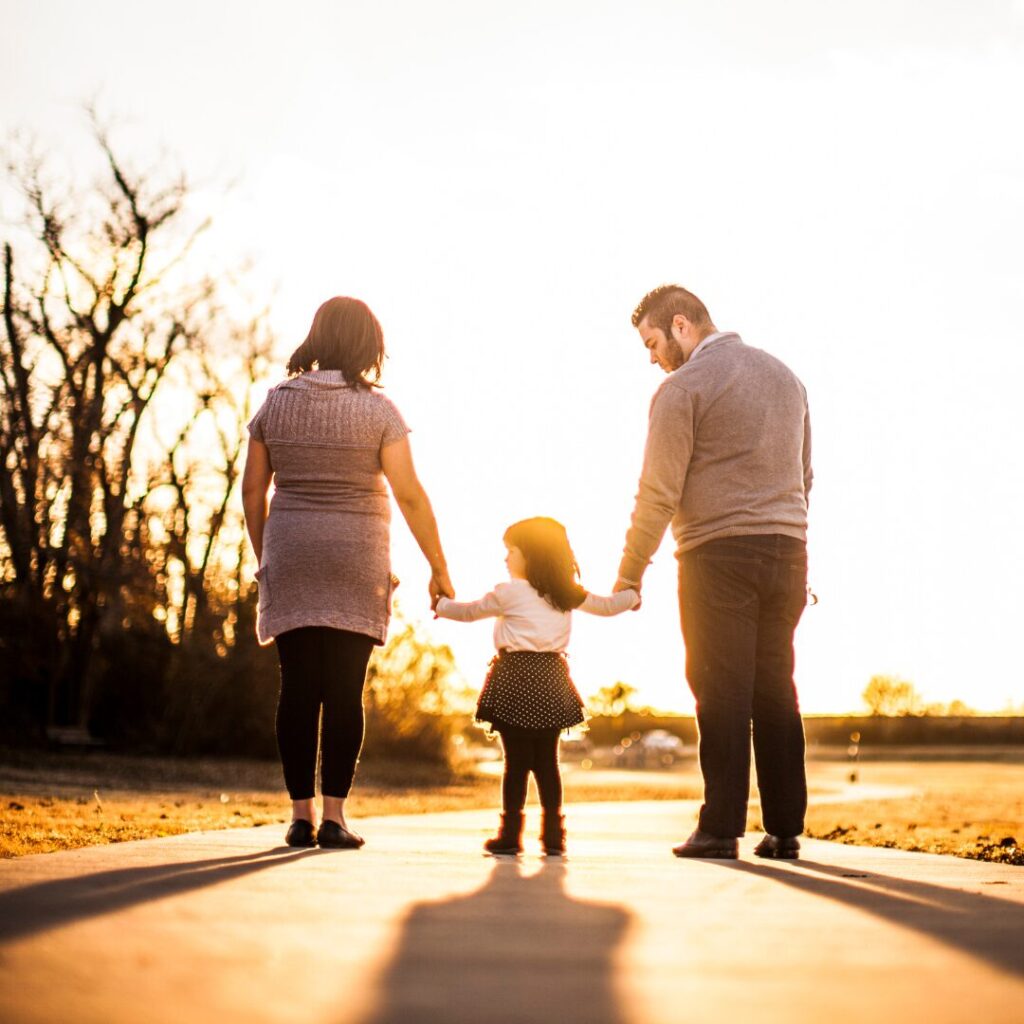
Can-do
Talk about your family in simple sentences and ask about someone else’s family.
1. Introducing Your Family (自分の家族を紹介する - Jibun no kazoku o shōkai suru)
When talking about your family, you can use the word 家族 (kazoku), which means "family." Here’s how you can introduce them:
🗣 「私の家族は4人です。」
(Watashi no kazoku wa yonin desu.)
➡ My family has four people.
If you want to specify who is in your family, you can say:
🗣 「私の家族は、父、母、兄、そして私です。」
(Watashi no kazoku wa, chichi, haha, ani, soshite watashi desu.)
➡ My family consists of my father, mother, older brother, and me.
Here are some key family member words:
- 父 (chichi) – Father
- 母 (haha) – Mother
- 兄 (ani) – Older brother
- 弟 (otōto) – Younger brother
- 姉 (ane) – Older sister
- 妹 (imōto) – yYunger sister
- 祖父 (sofu) – Grandfather
- 祖母 (sobo) – Grandmother
When talking about other people's family members, use the more polite forms:
- お父さん (otōsan) – Someone else's father
- お母さん (okāsan) – Someone else's mother
- お兄さん (onīsan) – Someone else's older brother
- お姉さん (onēsan) – Someone else's older sister
2. Counting Family Members (家族の人数を数える - Kazoku no ninzū o kazoeru)
In Japanese, people are counted using the ~人 (-nin) counter. Here’s how to count family members:
- 1 person – 1人 (hitori)
- 2 people – 2人 (futari)
- 3 people – 3人 (sannin)
- 4 people – 4人 (yonin)
- 5 people – 5人 (gonin)
- 6 people – 6人 (rokunin)
- 7 people – 7人 (shichinin)
- 8 people – 8人 (hachinin)
- 9 people – 9人 (kyūnin)
- 10 people – 10人 (jūnin)
For example, when asking how many people are in someone's family:
🗣 「ご家族は何人ですか?」
(Gokazoku wa nan-nin desu ka?)
➡ How many people are in your family?
3. Asking About Someone's Family (相手の家族について質問する - Aite no kazoku ni tsuite shitsumon suru)
When talking to someone about their family, use these common questions:
🗣 「ご家族は何人ですか?」
(Gokazoku wa nan-nin desu ka?)
➡ How many people are in your family?
🗣 「兄弟はいますか?」
(Kyōdai wa imasu ka?)
➡ Do you have siblings?
🗣 「お父さんとお母さんはどんな人ですか?」
(Otōsan to okāsan wa donna hito desu ka?)
➡ What are your father and mother like?
When answering these questions, you can use:
🗣 「はい、兄が一人います。」
(Hai, ani ga hitori imasu.)
➡ Yes, I have one older brother.
🗣 「いいえ、私は一人っ子です。」
(Iie, watashi wa hitorikko desu.)
➡ No, I am an only child.
4. Talking About Your Parents’ Jobs (両親の仕事について話す - Ryōshin no shigoto ni tsuite hanasu)
Another common topic is discussing what your parents do for work:
🗣 「お父さんの仕事は何ですか?」
(Otōsan no shigoto wa nan desu ka?)
➡ What does your father do for work?
🗣 「母は先生です。」
(Haha wa sensei desu.)
➡ My mother is a teacher.
Here are some common occupations:
- 会社員 (kaishain) – Office worker
- 医者 (isha) – Doctor
- 教師 (kyōshi) – Teacher
- エンジニア (enjinia) – Engineer
- 主婦 /主夫(shufu) – Housewife / Househusband
5. Talking About Your Family’s Hobbies (家族の趣味について話す - Kazoku no shumi ni tsuite hanasu)
It is also natural to talk about what your family enjoys doing:
🗣 「お父さんの趣味は何ですか?」
(Otōsan no shumi wa nan desu ka?)
➡ What is your father's hobby?
🗣 「母はガーデニングが好きです。」
(Haha wa gādeningu ga suki desu.)
➡ My mother likes gardening.
Here are some common hobbies:
- 読書 (dokusho) – Reading
- 音楽 (ongaku) – Music
- スポーツ (supōtsu) – Sports
- 料理 (ryōri) – Cooking
- 映画 (eiga) – Watching movies
6. Expressing Affection for Family (家族への愛情を表現する - Kazoku e no aijō o hyōgen suru)
If you want to talk about how much you love your family, you can say:
🗣 「家族が大好きです。」
(Kazoku ga daisuki desu.)
➡ I love my family.
🗣 「家族と一緒に過ごす時間が好きです。」
(Kazoku to issho ni sugosu jikan ga suki desu.)
➡ I enjoy spending time with my family.
7. Family in Japanese Culture (日本の家族文化 - Nihon no kazoku bunka)
Family relationships in Japan are deeply influenced by cultural traditions. Here are some key points to understand:
- Three-Generation Households (三世代家族 - Sanse-dai kazoku): Traditionally, multiple generations live together under one roof. While this is becoming less common, many households still include grandparents, parents, and children.
- Respect for Elders (年長者への敬意 - Nenchōsha e no keii): Japanese culture emphasizes showing respect to elders, often through polite speech and behavior.
- Family Gatherings (家族の集まり - Kazoku no atsumari): New Year’s Day (お正月 - Oshōgatsu) and Obon (お盆) are important family occasions where relatives gather, visit graves, and share meals.
- Father’s and Mother’s Roles: Traditionally, fathers were seen as the breadwinners, while mothers took care of the household. However, modern families are evolving, and dual-income households are increasing.
Recently, the Japanese family has been changing due to the declining birthrate and aging population. There are many nuclear families, and an increasing number of couples are choosing not to marry or not to have children. Co-working couples are now the norm. The family has become more diverse.
Reading Practice: Let's try to read the simple text about family (家族についての長文 - Nihon no kazoku ni tsuite no chōbun)
私の家族は五人です。父と母と、兄と妹がいます。父は会社員で、母は先生です。兄は大学生で、妹は高校生です。週末には、家族みんなで公園に行ったり、映画を見たりします。お正月には、祖父母の家に行きます。おばあさんが作るおせち料理はとてもおいしいです。日本では、家族と一緒に過ごすことが大切です。
➡ My family has five people. I have a father, mother, older brother, and younger sister. My father is a company employee, and my mother is a teacher. My older brother is a university student, and my younger sister is a high school student. On weekends, we go to the park or watch movies together as a family. On New Year's, we visit our grandparents' house. My grandmother's New Year's dishes are very delicious. In Japan, spending time with family is important.
Conclusion: Start Talking About Your Family!
Now that you have learned how to introduce your family, ask about someone else’s family, and discuss hobbies and jobs, try using these phrases in real conversations! Talking about family is a great way to connect with people and practice your Japanese in a meaningful way.
📝 Challenge: Next time you meet a Japanese friend or language partner, why not ask them about their family? You'll not only improve your language skills but also deepen your cultural understanding.
Related article: